
Garage Doors and the Rise of Automation
The world of garage doors is changing rapidly thanks to automation. Homeowners today expect convenience, security, and efficiency, and modern garage doors are delivering on all fronts. From smart openers to sensor technology, automation transforms how we interact with this once-simple home feature. For homeowners in the U.S., especially those with busy lifestyles, automated garage doors are becoming a must-have.
As spring approaches, many families are preparing for increased travel, outdoor activities, and vehicle use. Having a reliable garage door system is critical for home security and ease of access. According to Gitnux, around 45 % of U.S. homeowners now have automatic garage doors, demonstrating how quickly this technology has moved from luxury to mainstream.
Evolution of Remote Control Systems
Remote control technology transformed garage doors by providing operation without leaving your vehicle. Early systems, dating back to the 1950s, used radio signals but had limited range and were prone to interference. Over time, advancements in frequency modulation, microchips, and infrared technology improved reliability and security. By the 1980s, remote control systems were widely adopted and became a standard convenience for homeowners.
The introduction of rolling code technology further enhanced security by generating a new access code with every use, preventing potential intruders from capturing and reusing signals. Remote controls also evolved aesthetically, integrating seamlessly with modern cars and home interiors. As demand for convenience grew, automated garage doors became a key component of modern home design, paving the way for today’s smart systems.
Initial Challenges in Automating Garage Doors
Early automation faced technical hurdles, including reliability in various weather conditions, consistent power supply, and vulnerability to unauthorized access. Moisture, extreme cold, and electrical inconsistencies often disrupted early systems, while hackers could exploit frequency overlaps to gain entry. Manufacturers addressed these challenges through improved design, encryption, and rolling code technology.
Despite these obstacles, homeowners embraced the convenience and safety benefits of automated garage doors. Demand encouraged ongoing innovation, resulting in systems that were increasingly reliable, affordable, and easy to use. By the late 20th century, automation had become a standard expectation rather than a luxury, with continued improvements in both functionality and safety.
Modern Automation Technologies in Garage Doors
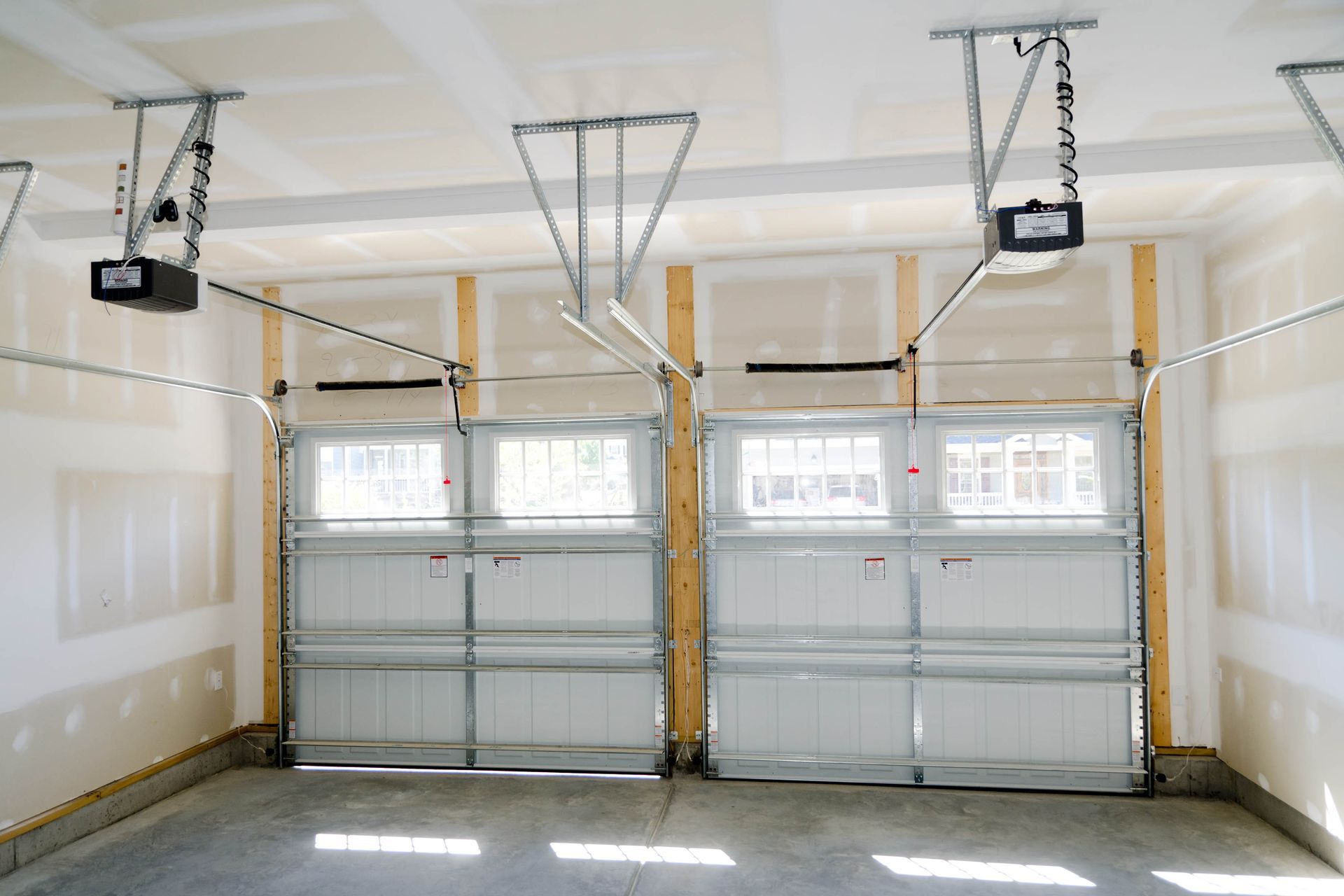
Smart technology has revolutionized garage door systems. Modern smart openers allow homeowners to operate doors via mobile apps, monitor usage remotely, and receive real-time alerts. Integration with home automation systems and voice-activated assistants like Amazon Alexa or Google Assistant offers unprecedented convenience. These systems adapt to user habits, optimizing operations like door opening and closing based on typical schedules.
Sensors play a key role in modern garage door automation. Infrared beams, motion detectors, and environmental sensors ensure safety by stopping doors from closing on people, pets, or objects. Predictive maintenance alerts help homeowners avoid unexpected failures, while motion-activated lighting improves functionality and security. Sensor technology also allows garage doors to interact seamlessly with the broader Internet of Things (IoT), connecting with security cameras, lighting, and climate control systems.
Artificial intelligence further enhances smart garage doors by learning user patterns, predicting potential issues, and optimizing security and efficiency. AI-enabled systems can adjust operations based on habitual usage, anticipate maintenance needs, and even detect unusual activity that may indicate a security threat. This intelligence makes modern garage doors proactive participants in home management rather than passive barriers.
Voice-activated controls add another layer of convenience. Users can open or close doors hands-free, a benefit for those carrying groceries, assisting children, or with mobility challenges. These systems often include customized access for family members and integrate with smart home security measures, ensuring convenience doesn’t come at the expense of safety.
Benefits of Automated Garage Doors
Automated garage doors provide enhanced security, reducing the risk of break-ins through rolling code encryption and integration with home surveillance systems. Auto-reverse mechanisms prevent injury or damage, protecting children, pets, and property. Smart alerts keep homeowners informed of unusual activity, reinforcing peace of mind.
Convenience is another major benefit. Automated systems eliminate the physical effort required to lift doors, allow operation from vehicles, smartphones, or voice assistants, and can be programmed to operate on schedules. Homeowners enjoy seamless access while improving efficiency, particularly during busy mornings or when returning home after long days.
Efficiency extends to energy and property management. Smart garage doors can integrate with lighting and HVAC systems, turning off unused devices and adjusting environmental controls when the door is closed. Predictive alerts and maintenance reminders prevent costly repairs, extending the life of garage door components.
Automated garage doors also enhance property value. Modern buyers often expect smart home features, and a well-functioning, automated garage system adds to appeal. Homes with smart, secure, and convenient garage solutions reflect current trends in technology-driven living, making these systems a sound investment.
The Impact of Automation on Homeowners
Automation changes how homeowners interact with their garages daily. Less time and effort are needed to manage access, and safety features mitigate common accidents. Integration with broader smart home ecosystems allows the garage to act as both a secure entry point and a proactive component of the home’s overall functionality.
Homeowners also benefit from reduced insurance risks. Many insurance providers offer discounts for homes with secure, automated entry points and integrated security systems. Automated garage doors minimize accidental damage and prevent unauthorized access, contributing to both safety and potential financial savings.
As more U.S. households adopt automated systems — now about 45 %, according to Gitnux — consumer expectations continue to drive innovation. Manufacturers compete to offer customizable features, smarter AI integration, and better security, meaning homeowners can access higher-quality solutions than ever before.
Preparing Your Garage Door for the Future
Spring is an ideal time for homeowners to inspect and upgrade garage doors. Professional technicians can assess mechanical components, electrical systems, and software updates to ensure reliability. With automation, ongoing maintenance becomes crucial to avoid malfunctions that can compromise security or convenience.
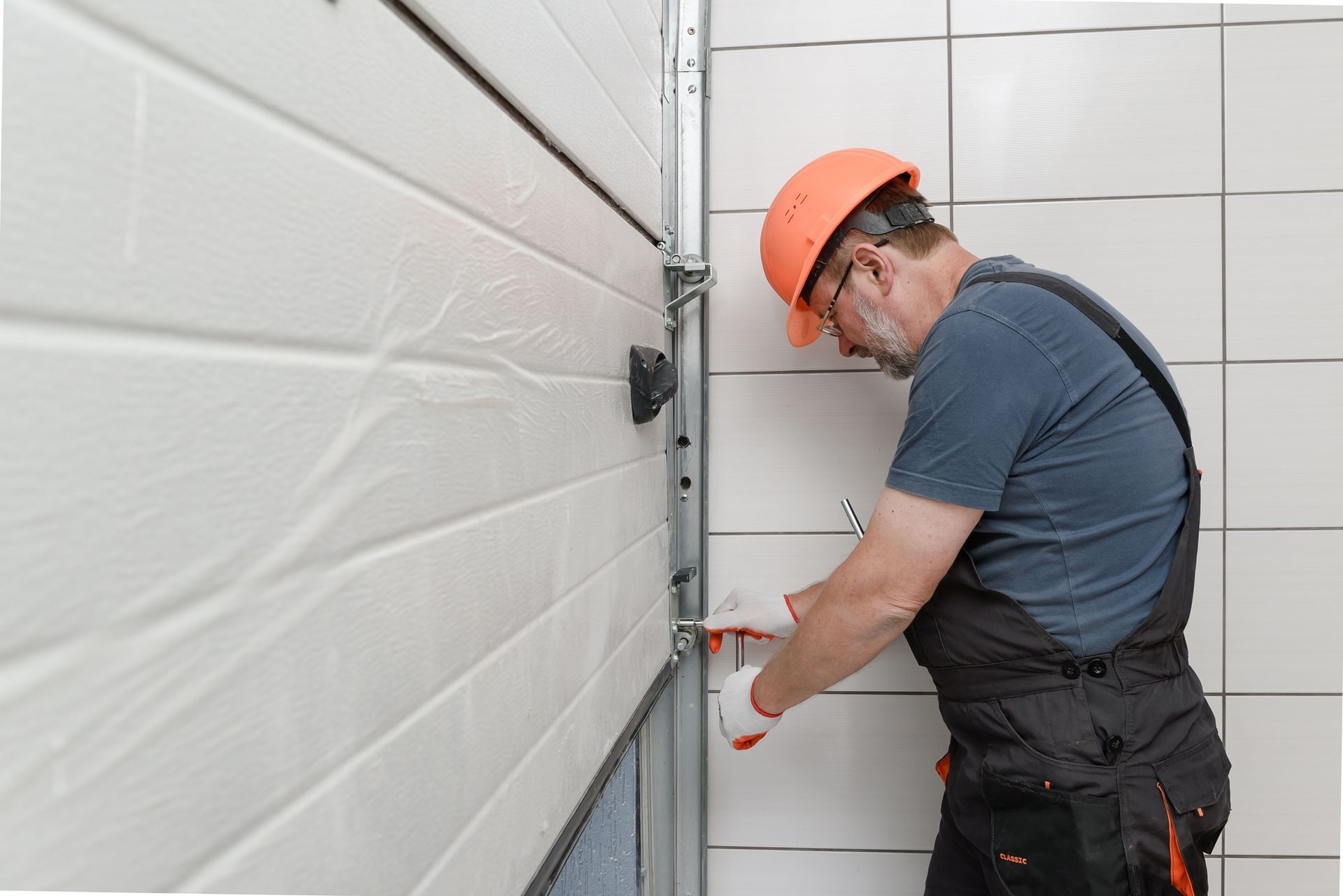
Working with a trusted local installer or service provider ensures proper installation, calibration, and integration with existing smart home systems. This approach minimizes risks associated with DIY upgrades and guarantees that garage doors function as designed, protecting both vehicles and property.
Seasonal Maintenance Tips for Garage Doors
Spring is the perfect time to perform a thorough check-up on your garage doors, ensuring they operate safely and efficiently throughout the year. Temperature fluctuations, humidity, and rain can affect both mechanical and electronic components, so routine maintenance helps prevent unexpected failures. Inspecting rollers, hinges, and tracks for wear and lubricating moving parts keeps doors running smoothly and quietly.
For automated garage doors, it’s also important to test sensors, auto-reverse mechanisms, and remote systems. Debris or dirt on the sensors can prevent doors from closing properly, while software updates may improve responsiveness and security. Checking the balance of the door prevents strain on the opener and reduces energy usage over time.
Automated garage doors combine security, convenience, and modern technology, making them essential for today’s homeowners. From smart openers and AI integration to sensor-based safety features, these systems offer more than just a way to store vehicles—they enhance home management and lifestyle.
For U.S. homeowners in De Pere, WI, having a professional team handle installation, maintenance, and upgrades ensures maximum efficiency, reliability, and safety. Don’t compromise on convenience or security. Contact AAA Superior Doors for reliable garage door services and enjoy the full benefits of modern automation in your home.
Share On: